
CATEGORY
Temples & Shrines

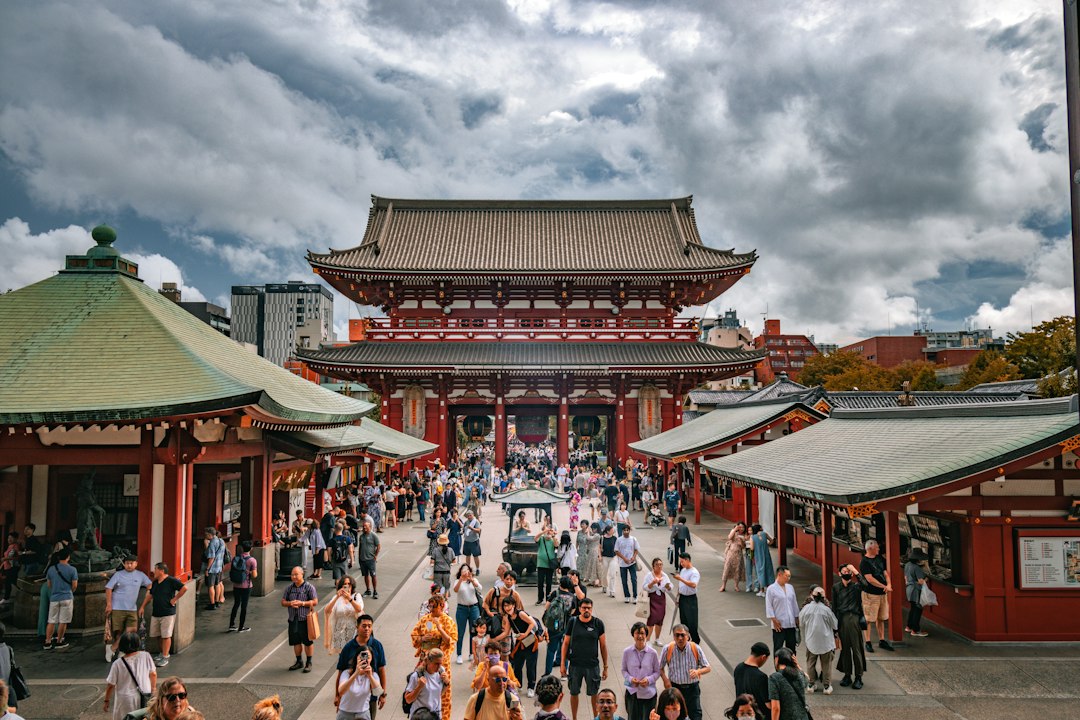
Sensoji Temple: Inside Tokyo's Oldest Temple
A statue two fishermen pulled from a river more than thirteen centuries ago is still, technically, the reason millions of people walk through a thunder god's gate every year, even if most of them are there for the fried dough and the photo.
Sign up to read the full story
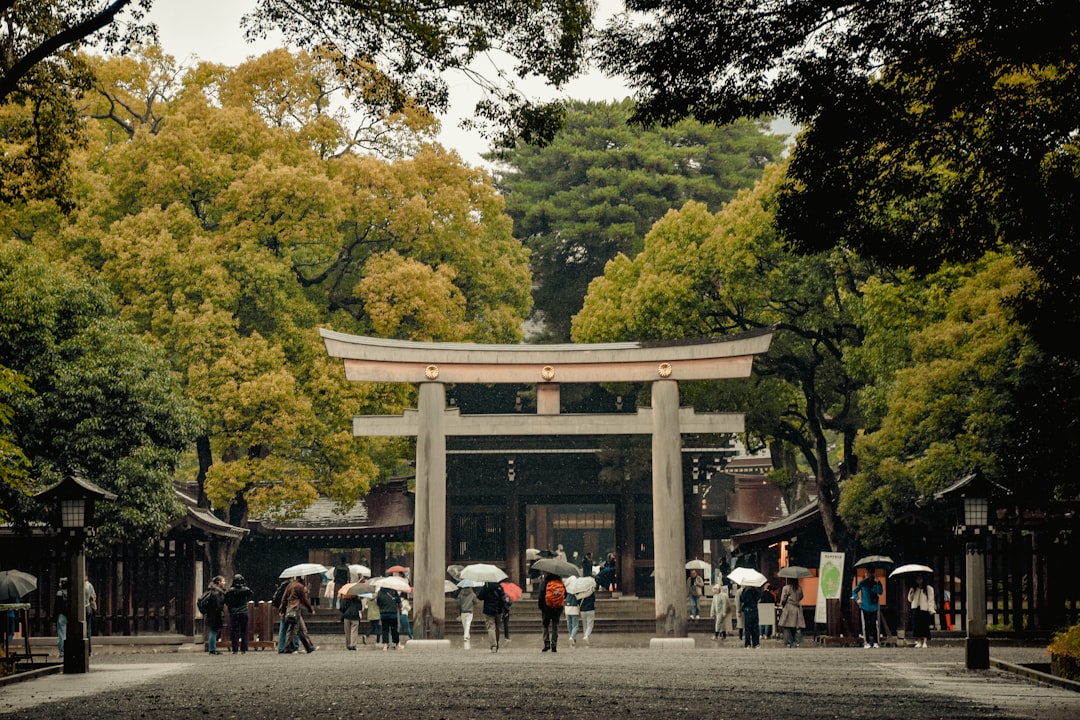
Meiji Jingu: A Forest Shrine in the Middle of Tokyo
A hundred thousand trees, planted a century ago by volunteers from across the country, now stand thick enough that the traffic noise of Harajuku disappears within a few minutes of walking through the first gate.
Sign up to read the full story
Zojoji Temple and the View of Tokyo Tower
Six shoguns are buried behind this temple, and almost nobody visiting it today is thinking about a single one of them, because the real draw is a four-hundred-year-old gate framed perfectly against a steel tower that didn't exist until 1958.
Sign up to read the full story

Nezu Shrine's Thousand Torii Gates
Fushimi Inari draws the crowds and the influencer photos, but Tokyo has its own tunnel of vermillion gates tucked into a quiet residential slope, and most of the people walking through it are locals who barely give it a second glance.
Sign up to read the full story

Day Trip from Tokyo to Nikko: Shrines and Waterfalls
A shogun built himself a mausoleum so ornate it borders on excess, then his grandson doubled down. The result, tucked into forested mountains north of Tokyo, is Japan's most theatrically decorated shrine complex.
Sign up to read the full story

Day Trip from Tokyo to Kamakura's Great Buddha
Before Kyoto and before Tokyo, there was Kamakura, a fishing town turned military capital where a bronze Buddha has sat outdoors, exposed to the weather, for close to eight centuries. Take the coastal tram and you'll understand why it stayed there.
Sign up to read the full story

Fushimi Inari Taisha and Its Thousands of Torii Gates
Everyone photographs the first fifty gates and turns back, which is exactly why the mountain above them stays quiet. Climb past the crowd and Fushimi Inari becomes a completely different, stranger, and far more rewarding place.
Sign up to read the full story

Kinkaku-ji: The Golden Pavilion's Story
The pavilion you'll photograph today isn't the one that stood here for five centuries. A monk burned that one to the ground in 1950, and what rose from the ashes says as much about postwar Japan as the original ever did.
Sign up to read the full story

Kiyomizu-dera: Kyoto's Temple on Stilts
Japanese has an idiom for taking a wild leap of faith, and it's named after this exact building. Two centuries of would-be jumpers believed a fall from its stage would grant a wish; some of them survived to prove it wrong.
Sign up to read the full story

Ginkaku-ji and the Philosopher's Path
It was supposed to be sheathed in silver to rival its golden cousin across the city. The money ran out, war intervened, and what's left is a plain wooden building that turned out more interesting than the plan ever was.
Sign up to read the full story

Ryoan-ji's Rock Garden and the Art of Zen Design
Fifteen stones, one small walled garden, and a design trick so precise that no matter where you sit, at least one stone stays hidden from view. Nobody agrees on why, and the not-knowing may be the entire point.
Sign up to read the full story

Tofuku-ji: Kyoto's Quietest Autumn Foliage Spot
The view from this one wooden bridge has become the single most photographed autumn scene in Kyoto, yet somehow the crowds beneath it never quite match the ones piling into the famous names nearby. That gap won't last forever.
Sign up to read the full story

Day Trip from Kyoto to Nara's Deer Park and Todai-ji
Before Kyoto was ever a capital, Nara held the title, and it still guards a bronze Buddha the size of a building and a park full of deer that bow like courtiers for a cracker.
Sign up to read the full story

A Practical Guide to Visiting Kyoto's Temples Respectfully
A torii gate and a temple roof can look interchangeable in a tourist photo, but the rituals behind them come from two different religions, and getting them backward is the single most common mistake visitors make.
Sign up to read the full story