
CATEGORY
Culture & History
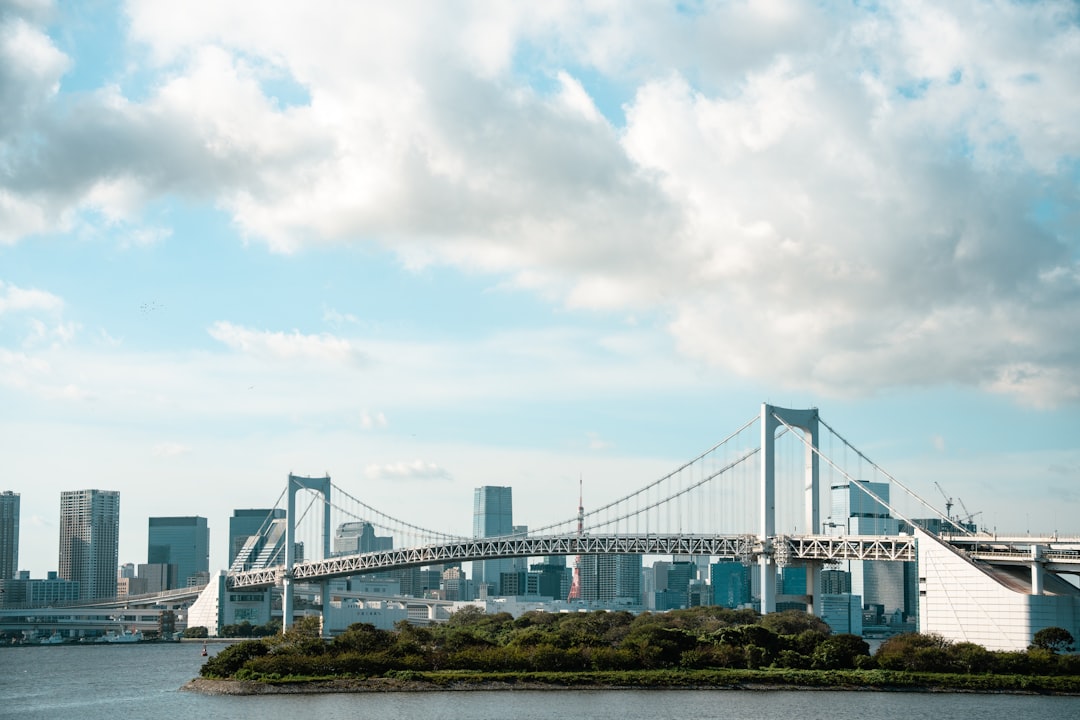
Who Built Odaiba? The Story Behind Tokyo's Man-Made Island
Long before it became Tokyo's neon waterfront playground, Odaiba started life as a set of 19th-century cannon batteries built to defend the city from foreign warships.
Sign up to read the full story

Shibuya Crossing: How the World's Busiest Intersection Came to Be
With up to 3,000 pedestrians crossing at once, Shibuya Crossing wasn't designed to become a global icon — it grew into one alongside Tokyo's busiest train interchange.
Sign up to read the full story

Tokyo's Vending Machine Culture, Explained
Japan has around 4 million vending machines, one of the highest densities per capita in the world — and safety, density, and decades of retail experimentation explain why.
Sign up to read the full story

Akihabara: From War Ruins to Electric Town
Long before it became the world capital of anime and otaku culture, Akihabara's "Electric Town" identity began with black-market radio parts in the ruins of post-war Tokyo.
Sign up to read the full story

Koenji: Tokyo's Vintage and Punk-Rock Neighborhood
Skip the glass storefronts of Shibuya: Koenji trades them for overstuffed vintage racks, basement clubs with the amps turned up too loud, and a scrappy independence that Tokyo's gentrification has never quite managed to smooth over.
Sign up to read the full story

Kagurazaka: Tokyo's Little Paris with a Geisha Past
A neighborhood where stone-paved alleys still lead nowhere in particular, where French bistros sit two doors down from century-old teahouses, and where the ghosts of Tokyo's geisha era linger a little longer than they do anywhere else in the city.
Sign up to read the full story

Shimokitazawa: Tokyo's Secondhand Fashion and Live Music District
For decades this was the one part of Tokyo too tangled and too cheap for anyone to tidy up properly, and even after a decade of redevelopment near the station, the side streets still refuse to make sense on a map.
Sign up to read the full story

Sensoji Temple: Inside Tokyo's Oldest Temple
A statue two fishermen pulled from a river more than thirteen centuries ago is still, technically, the reason millions of people walk through a thunder god's gate every year, even if most of them are there for the fried dough and the photo.
Sign up to read the full story

Day Trip from Tokyo to Kawagoe, the Little Edo
Call it Little Edo and you've undersold it slightly: Kawagoe kept its thick-walled merchant warehouses standing through fires that leveled everything around them, and now sells roasted sweet potatoes in front of buildings older than the country's rail network.
Sign up to read the full story

Ueno Park: Museums, Cherry Blossoms, and a Zoo in One Neighborhood
A former shogunate temple ground that burned in 1868 became Tokyo's most concentrated dose of culture: a national museum, the country's oldest zoo, a shrine that survived two wars, and a market street born from the black market next door.
Sign up to read the full story

Gion: Walking Kyoto's Geisha District Respectfully
The teahouses along Hanamikoji Street still run on an introduction system built to protect a centuries-old profession, one that tourist crowds have recently strained close to breaking point. Here's how to see Gion without becoming part of the problem.
Sign up to read the full story

Higashiyama: Kyoto's Best-Preserved Old Streets
Sannenzaka and Ninenzaka's stone lanes weren't built for photographs, they were built for foot traffic to a mountainside temple centuries before smartphones existed. Walked as a single route rather than a single stop, they're Kyoto's past at its most intact.
Sign up to read the full story

Pontocho Alley: Kyoto's Narrow Lane of Restaurants
Barely wide enough for two people to pass, this lantern-lit alley off the Kamo River has been staging Kyoto's nightlife since the Edo period. A guide to reading the noren, finding a seat without a reservation, and catching a table above the water in summer.
Sign up to read the full story

Kinkaku-ji: The Golden Pavilion's Story
The pavilion you'll photograph today isn't the one that stood here for five centuries. A monk burned that one to the ground in 1950, and what rose from the ashes says as much about postwar Japan as the original ever did.
Sign up to read the full story

Ryoan-ji's Rock Garden and the Art of Zen Design
Fifteen stones, one small walled garden, and a design trick so precise that no matter where you sit, at least one stone stays hidden from view. Nobody agrees on why, and the not-knowing may be the entire point.
Sign up to read the full story

Where to Drink Matcha in Kyoto, From Ceremony to Cafe
Uji, just south of the city, has been growing tea good enough for emperors since before Europe had coffeehouses. What you do with that tea today ranges from a decades-long ceremonial art form to a parfait piled absurdly high with soft serve.
Sign up to read the full story

Day Trip from Kyoto to Himeji Castle
Most of Japan's famous castles are concrete replicas rebuilt after fire, war, or demolition. Himeji is the rare original, a five-century-old fortress that walked away from earthquakes and firebombing looking almost exactly as it always did.
Sign up to read the full story

Renting a Kimono in Kyoto: What to Know Before You Book
For one afternoon, thousands of visitors trade sneakers for geta and become part of the scenery on Kyoto's stone lanes. It photographs beautifully. It also involves more logistics, and more etiquette, than the rental shop windows let on.
Sign up to read the full story